Listen to this episode on Spotify & YouTube
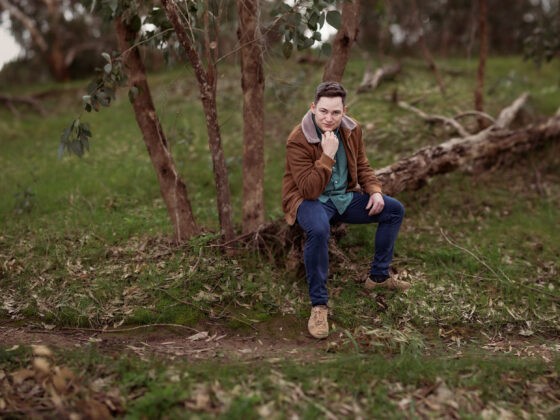
There’s a version of this story where Joe never learns Hindi at all. He grew up in Sydney’s northern beaches, a part of Australia he calls culturally insular – kids from different backgrounds at his school, but nobody talking about where anyone actually came from. Nothing there was pointing him toward India.
Then came a gap year. Joe took a job in Hong Kong with an NGO that redistributed secondhand goods to grassroots charities elsewhere, since Hong Kong doesn’t really have a resale market of its own. That’s where the language found him – he ended up surrounded by Indian, Pakistani, Nepali and Bangladeshi friends who all spoke Hindi with each other, regardless of which of those countries they were from.
He went home and made it official: a Hindi major at Sydney University, starting in 1999. The program was small enough that some classes were taught by video link to a lecturer at ANU in Canberra, using the one dedicated video-conferencing room in the entire university – genuinely novel technology at the time. Partway through the degree, Joe did a two-month intensive course in Rishikesh, which counted as a year of credit. Before it started, he deliberately avoided the easy route – skipping past cities where English would let him coast and traveling alone through smaller UP towns instead: Jaunpur, Rampur, Sitapur, Muradabad, Bareilly. He carried photocopied guidebook pages rather than a full Lonely Planet, tearing off each town’s pages as he left it to keep his bag light.
A year in Rajasthan followed. His cook there, a man from Bihar who’d also lived in Punjab, taught him vocabulary and cooking in the same breath – and neither of them could always say which region a word or a dish technically belonged to. That’s the version of poha Joe eventually posted online: whatever vegetables were spare went in, beans included. The comments section disagreed, loudly and repeatedly, with “beans nahi dalna.”
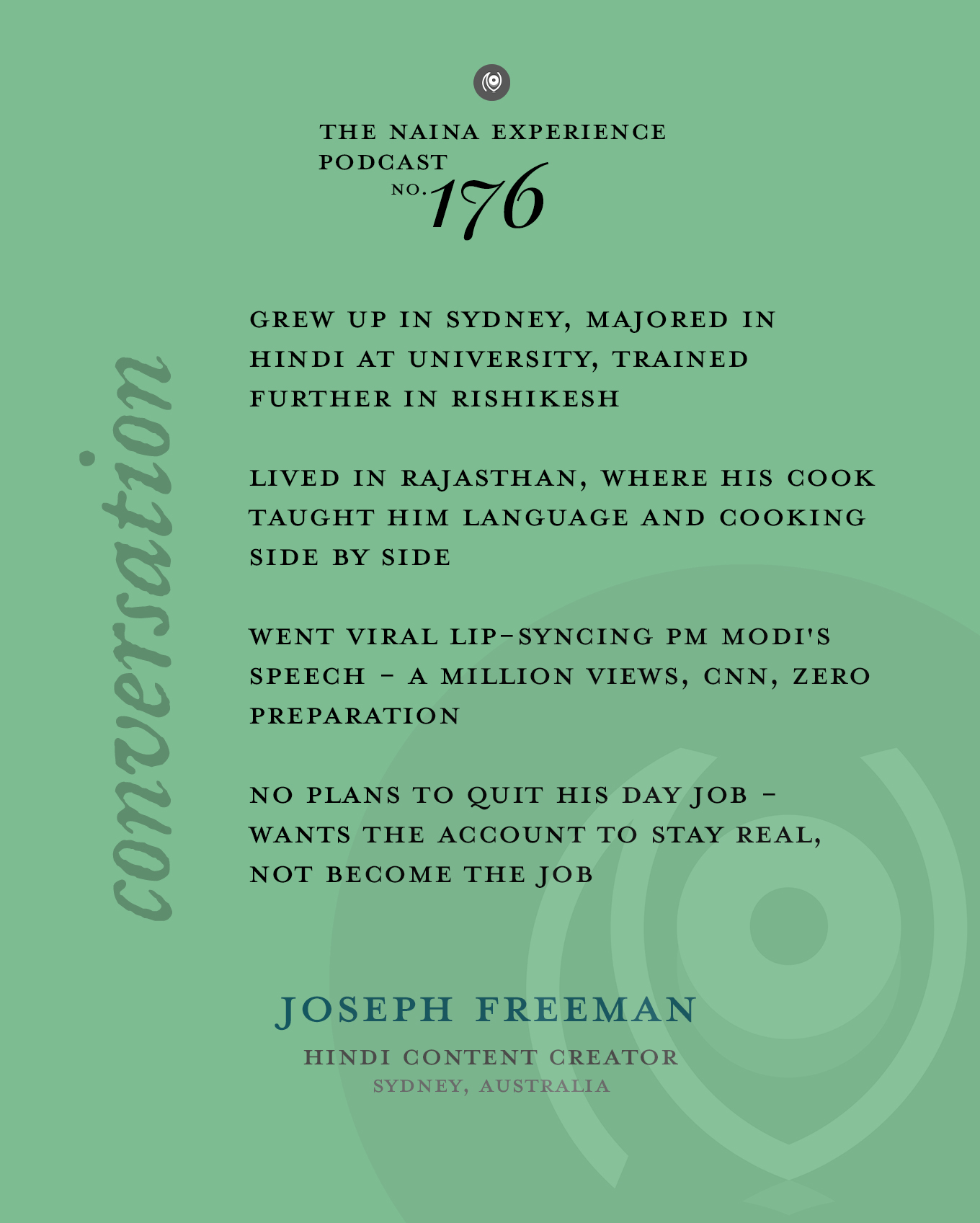
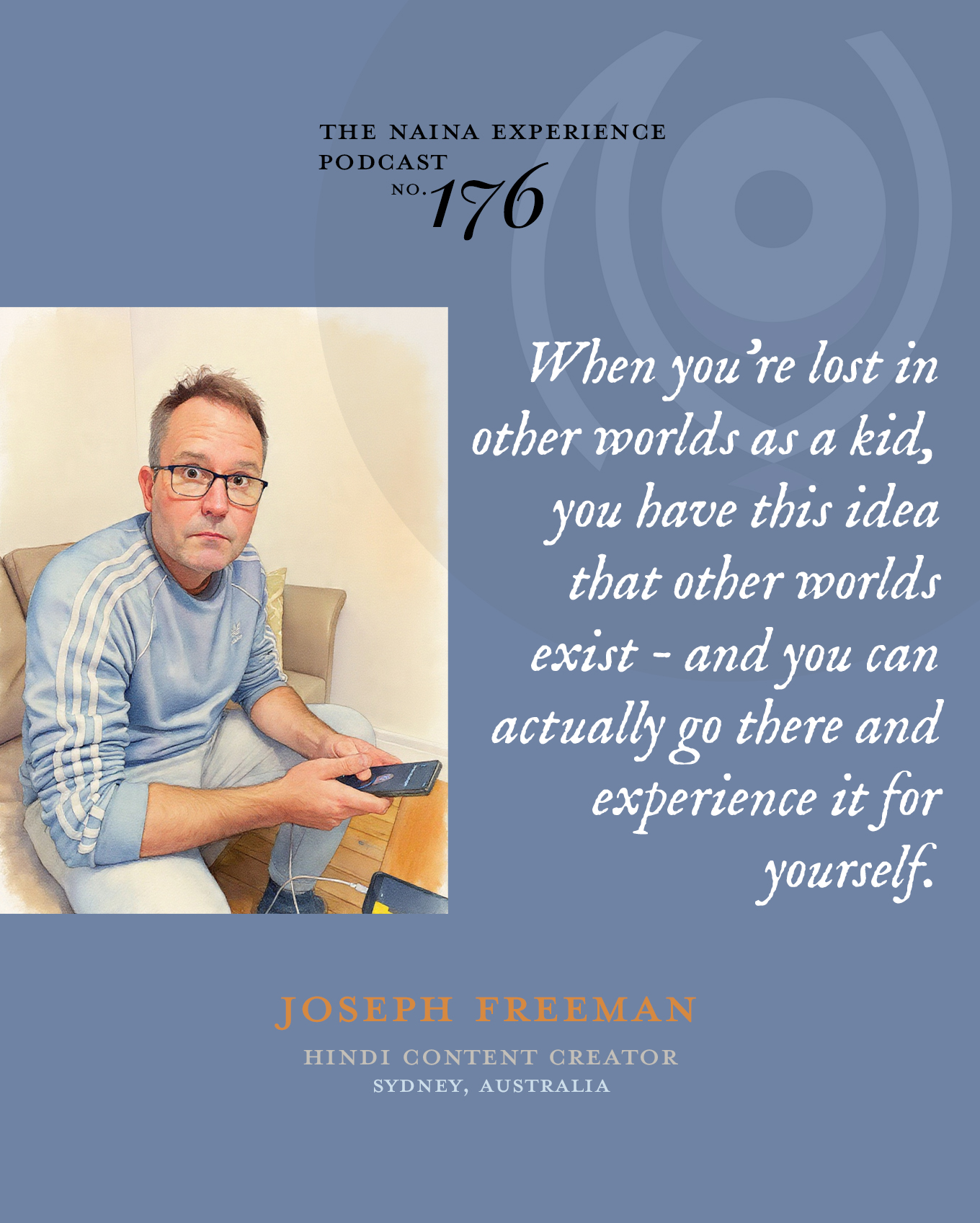
Years later, Joe started an Instagram account posting scripted, fully rehearsed reels in Hindi. Two reasons: the language wasn’t getting used at work or at home, and he wanted a way to offer what he calls an alternative voice against the nastier corners of the internet, without wading into arguments himself. Every reel is written and rehearsed in advance – viewers have zoomed in on his eyes to catch the script reflecting back and called him out for “reading everything.” He doesn’t deny it.
Then one reel changed the scale of things. During PM Modi’s visit to Australia, Joe lip-synced a clip of the speech. He posted it, went to dinner for his dad’s birthday, and checked his phone mid-meal to find it had crossed a million views. What came next was weeks of comments and DMs he couldn’t keep up with, other creators re-acting copies of the video, AI versions circulating, and news outlets reposting it without credit. CNN called with zero preparation – no briefing on what would be asked, lighting adjusted live while the interview was already underway. He also did Indian news TV, much the same story. What actually stayed with him were the smaller local papers and feel-good outlets that took the time to ask real questions.
On the hate comments that come with all of this, Joe’s approach is simple: don’t reply, let it go. His broader read on trolls is that it’s rarely about him personally – someone’s gone looking for a place to put their agenda, and he happened to be findable.
Even with all of it, Joe has no plans to turn the account into a full-time job. He still works a regular job and would rather keep the account something people can genuinely connect with than chase where it could go commercially.
Guest: Joseph Freeman – Instagram: instagram.com/joespeakshindi
Naina – Instagram: instagram.com/naina | Website: naina.co | Spotify: The Naina Experience Podcast | YouTube: @nainaredhu | Come on the podcast: naina.co/product/the-100-podcast